The Relationship Between USB 3.1 and Type-C
As early as 2015, discussions about USB Type-C have entered the public eye. In fact, it has long been predicted that 2016 will be the year when USB Type-C really broke out. As far as the current form is concerned, domestic mobile phone manufacturers are still very concerned about USB Type-C, and their flagship products are beginning to be equipped with USB Type-C interfaces. On the other hand, manufacturers such as HTC and LG have also begun to act. Even Samsung has news that it will soon release a new machine equipped with USB Type-C, which is said to be Samsung Galaxy Note6. It can be said that the popularization of USB Type-C is proceeding in an orderly manner.
In fact, when it comes to USB Type-C, it must have something to do with USB 3.1. Many technology media even confuse USB3.1 with USB Type-C in reports. What's more, some unscrupulous manufacturers only carry the USB Type-C interface, but advertise that it has all the features of USB 3.1, deceiving consumers. So, what is the connection between USB 3.1 and USB Type-C? What are the advantages of USB Type-C to make it popular?

USB Type-C
Strictly speaking, USB 3.1 is a transmission standard. After the development of USB 1.0, USB 2.0 and USB 3.0, USB 3.1 has made great progress in all aspects. And USB Type-C, to be precise, is an interface standard. There are three interface standards for USB 3.1, namely USB Type A, USB Type B and the latest USB Type-C. At present, Type A interface is mainly used as a connection port for computers and other equipment. Micro USB mainly appears on small devices such as smart phones and is widely used. As for USB Type-C, due to various characteristics, it is called the most promising to unify the interface standards of various interfaces.
It is worth noting that there is no absolute correlation between USB 3.1 and USB Type-C. To know that there is a USB Type-C interface, it does not necessarily mean that it supports the USB 3.1 standard. The USB 3.1 standard may not necessarily be a USB Type-C interface. At this point, don't be fooled by bad vendors.
Recently Posted
-
The Impact of USB3.0 On Other Products
February 25, 2021Let’s take a look at wireless USB devices. At present, the shipment volume of products using USB 2.0 technology has exceeded 6.2 billion, and the shipment volume last year alone reached 2.1 billion. Among them, the application of wireless USB Technology occupies a large proportion, and it can help users free themselves from the complicated cable connection. The data transfer rate of the current wireless USB standardRead More -
How To Simplify the Development of USB Type-C?
February 25, 2021USB Type-C is a major improvement of the USB port. It has faster speed and stronger power transmission performance. It can transmit data and video at a high speed and improve the power transmission capacity. These unique advantages of Type-C allow consumers to complete charging, video or data transmission only with Type-C cables, without the need for multiple cables. Manufacturers only need to design and equip Type-C porRead More -
What are the advantages of Type C?
February 25, 2021New mobile phones launched without exception all use the USB Type-C Interface, and Type c connectors tend to rule the world. Regarding the USB Type-C interface, manufacturers have unanimously promoted that it can be inserted in both positive and negative poles, and there is no need to worry about it being inserted again. So, is this enough to make USB cable assemblers choose Type-C interface? What other advantages of TypRead More -
What is The Difference Between USB 3.1 and Type-C?
February 25, 20211.Type-C interfaceType-C is a connection interface of the USB interface, which can be plugged in regardless of the front and back sides. The size is about 8.3mm×2.5mm. Like other interfaces, it supports USB standard charging, data transmission, display output and other functions.2. Several characteristics of Type-C interface(1) AudioWe know that the traditional audio 3.5mm audio interface is an analog audio signal. The new iPRead More

Contact Us
Recommended Products
-
 Category/FTP Patch/Lan CableNegotiableMOQ: 100 Pieces
 -
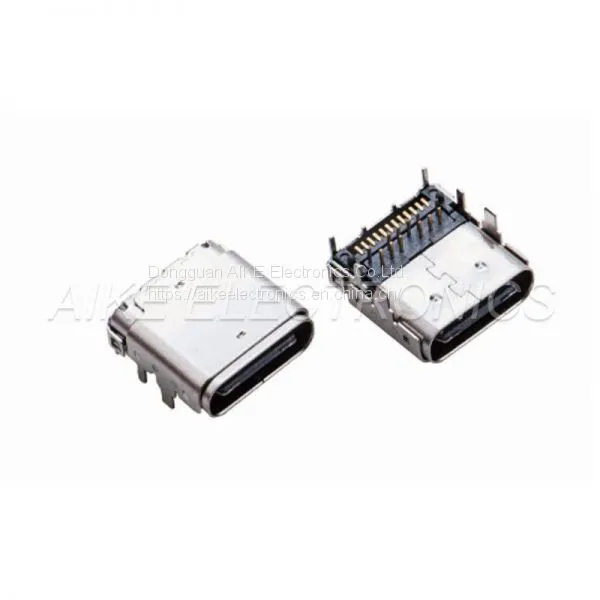
Type C 3.1 Gen2, 24PIN, Right Angle, Contacts With DIP and SMT TypeNegotiableMOQ: 100 Pieces
-
Category 6A/6 F/UTP Patch/Lan CableNegotiableMOQ: 100 Pieces
-
Standard USB 3.0 A Type Male Part,Mount PCB & DIP Type With Position PostsNegotiableMOQ: 100 Pieces
-
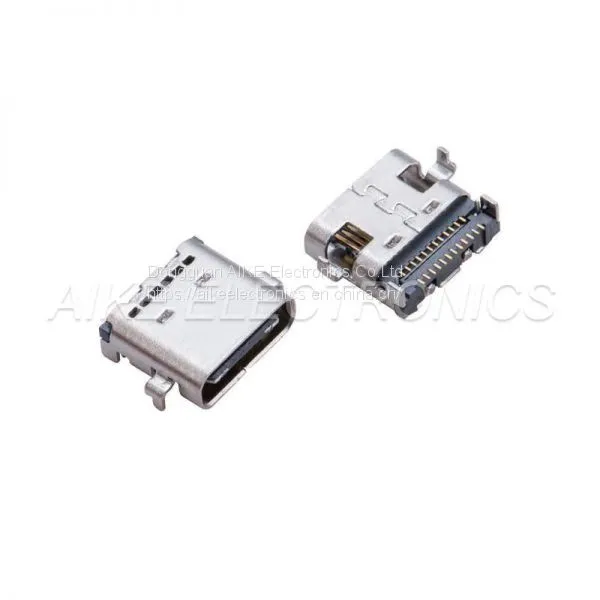
USB Type C 3.1,Receptable 24PIN, Double Rows SMT Contacts, Through Holes Legs, SINK PCB Board TypeNegotiableMOQ: 100 Pieces
-
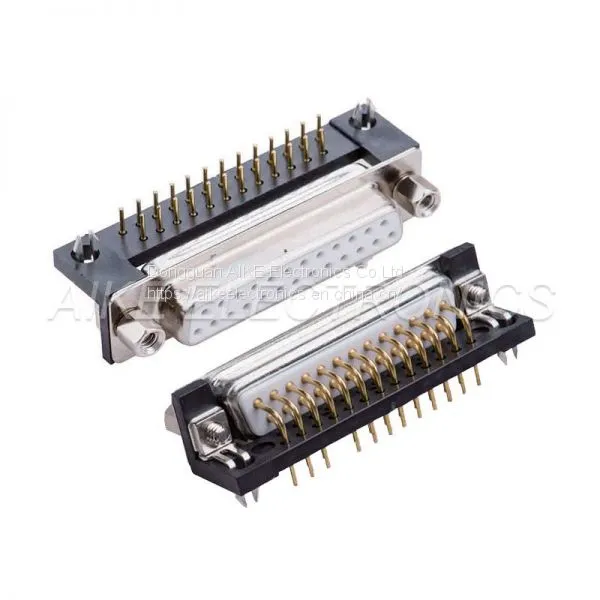
DR 25PIN,Male Parts,90 Degree, Lathe Contact,2 Rows,with Rivet & ScrewsNegotiableMOQ: 100 Pieces
-
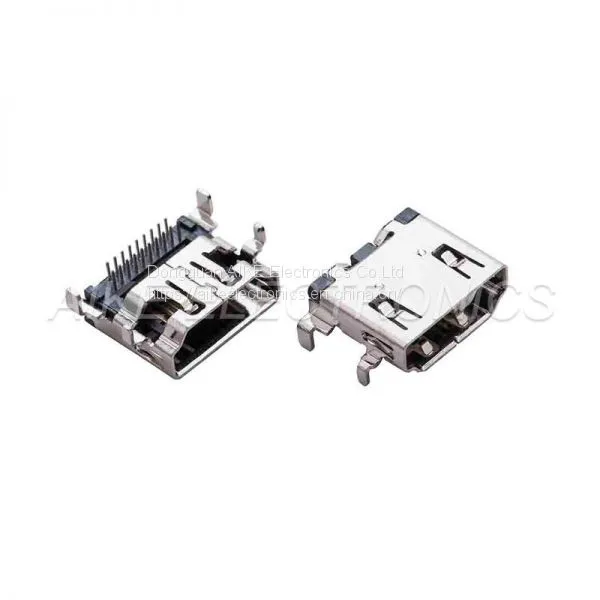
HDMI Connector 19PIN DIP Type With Through Hole Legs,sink PCB Board TypeNegotiableMOQ: 100 Pieces
-
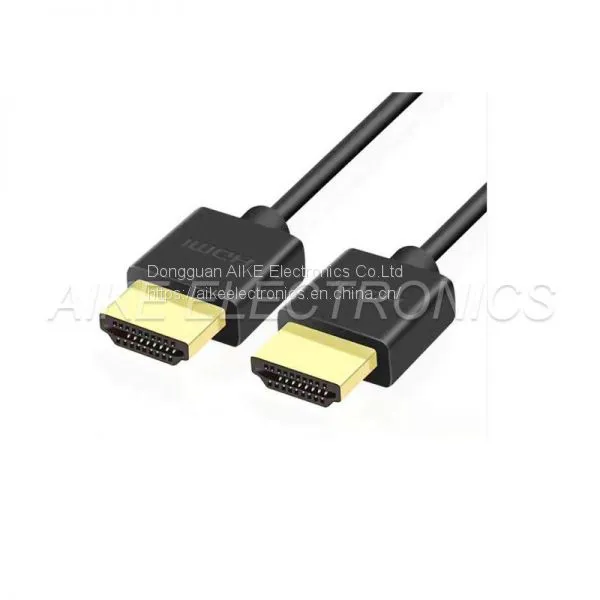
High Speed HDMI Male TO HDMI Male Cable,Support 4K*2KNegotiableMOQ: 100 Pieces
-
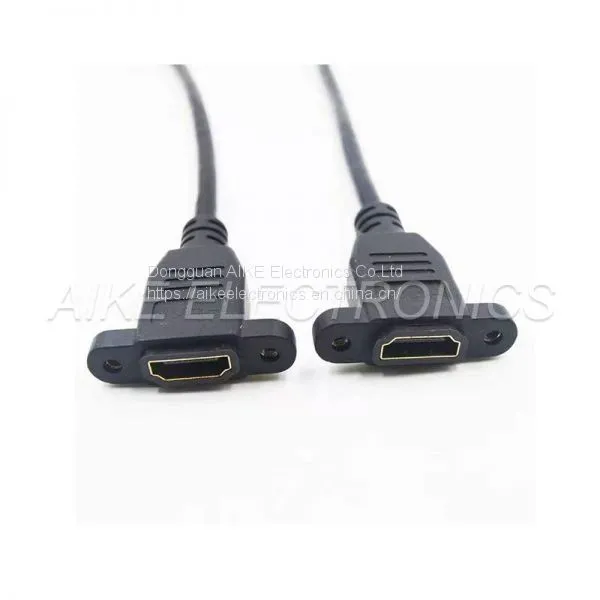
High Speed HDMI Female TO HDMI Female Cable,Support 4K*2K,with Screw HolesNegotiableMOQ: 100 Pieces
-
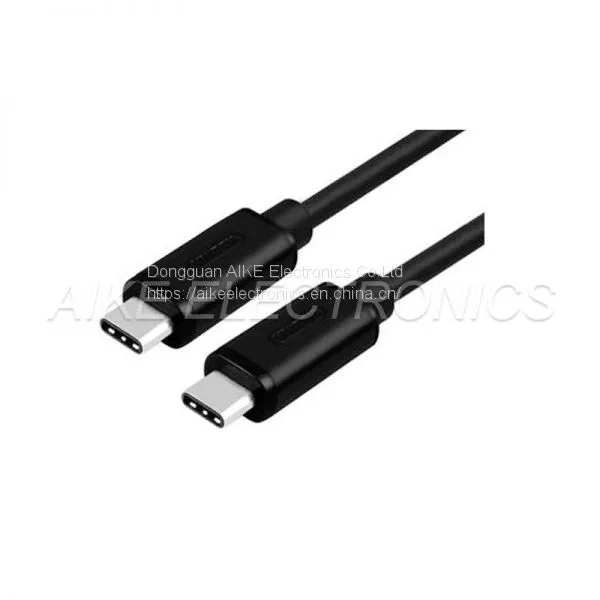
USB3.1 Type C (USB-C) Male to Male Data Sync Charging CableNegotiableMOQ: 100 Pieces
-
3.5mm Audio Jack( Phone Jack),Receptable, DIP Contacts, With 2 Position HostsNegotiableMOQ: 100 Pieces
-
DR 37PIN,Male Parts,90 Degree, Stamp Contact,2 Rows,with Rivet & ScrewsNegotiableMOQ: 100 Pieces
-
3.5mm Audio Jack( Phone Jack),Receptable, SMT Contacts, With 2 Position HostsNegotiableMOQ: 100 Pieces
-
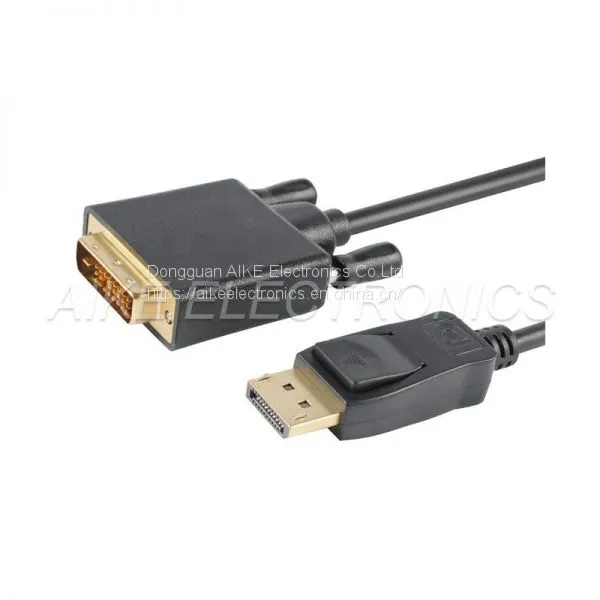
Displayport Male to DVI (24+1) Male Adaptor Cable,Support 1920x1080@60HZNegotiableMOQ: 100 Pieces
-
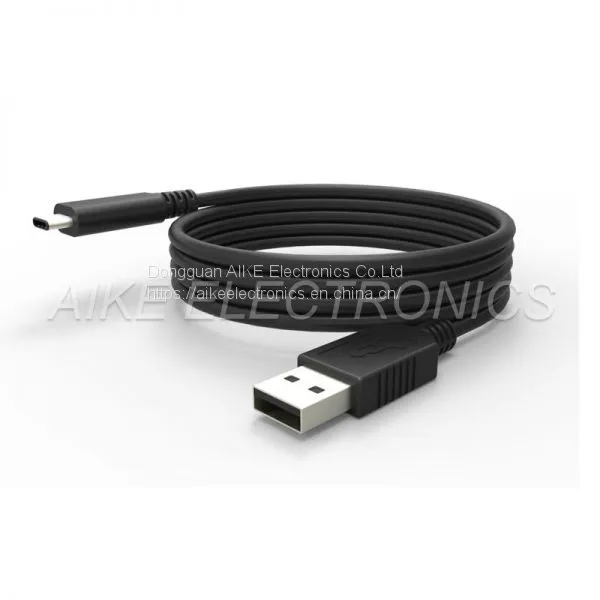
USB AM 2.0 to Type C (USB-C) Male Cable(Overmold-Black)NegotiableMOQ: 100 Pieces
-
High Speed USB 3.0 AF, Right Angled, 90 Degree,DIP Type With KINK Legs(Over PCB)NegotiableMOQ: 100 Pieces
-
Double-deck(2 In1) USB 2.0 A Type Female,Right Angle,Double-layer DIP TypeNegotiableMOQ: 100 Pieces
-
Standard USB 2.0 A Type Female,Right Angled,DIP TypeNegotiableMOQ: 100 Pieces
-
Connector RJ45 Female 8P8C,Tab Up, DIP TYPE With Shell & LED + Double-deck ConnectorNegotiableMOQ: 100 Pieces
-
Displayport Male to HDMI Male Adaptor Cable,Support 1920x1080@60HZNegotiableMOQ: 100 Pieces