
What is The Difference Between USB 3.1 and Type-C?
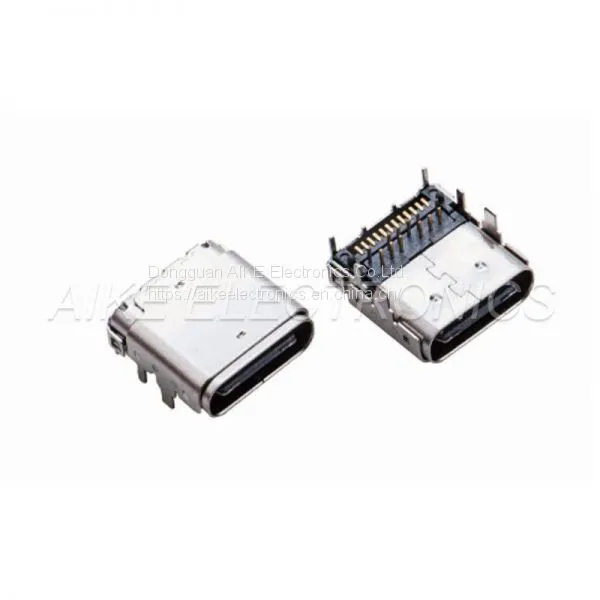
Type-C is a connection interface of the USB interface, which can be plugged in regardless of the front and back sides. The size is about 8.3mm×2.5mm. Like other interfaces, it supports USB standard charging, data transmission, display output and other functions.
We know that the traditional audio 3.5mm audio interface is an analog audio signal. The new iPhone released the 3.5mm headphone jack and used the linghting interface to transmit audio. The Type-C Interface is not a problem. The biggest feature of the CDLA audio standard is The audio signal is not like traditional analog signal earphones, which do digital to analog signal conversion in mobile phones and audio players. Instead, all digital signals in the mobile phone are transmitted to the earphones to ensure that the mobile phone output and the earphone input digital signal are the same. To a certain extent, the loss of sound quality is reduced. Leading mobile phone listening to the digital age has completely ended the life of the 3.5mm audio interface.
The new USB-Type-C is officially released based on the early certification program of the DisplayPort Alt Mode standard. In the development of new technologies, products are usually ready to be shipped before the compliance testing procedures are completed. However, conformance testing is critical to ensure that the data is smoothly transferred out and used for a good experience with early products. The Display Port 1.4 version can well support 8K video transmission and display.
The video electronics standard organization VESA launched the DisplayPort over USB-C plan in conjunction with USB-IF, which allows the USB-C interface to have the DP video transmission function. It will be developed in the future. It is estimated that the DP interface and DP cable can be provided. replaced.
USB3.0 can reach 4.5w power supply, while Type C power supply can reach 100W! Just look at the data, Type C means faster charging speed! But this is not the case. This is true for Type-C conforming to the USB 3.1 standard. USB 3.1 supports the USB-PD power supply standard, the maximum power supply can reach 100 watts, and the charging speed will indeed be greatly improved.

USB-Type-C
USB 3.1 is based on the latest USB transmission specification. The new USB 3.1 interface will double the bandwidth to 10Gbps. It is worth noting that the encoding rate has also been increased again. USB 3.0 is 8b10b encoding, that is, in every 10bit data transmitted, only 8bit is the real data, and the remaining 2bit is used as the check code, so the entire bandwidth will be up to 20% (2/10) loss, and the new USB 3.1 uses 128b/132b encoding. In 132bit data, only 4bit is used as the check code, and the transmission loss rate is greatly reduced to 3% (4/132). Therefore, USB 3.1 is not only an increase in bandwidth, but also Transmission efficiency has also improved a lot. Compared with the 5V/0.5A of USB 2.0, USB 3.0 provides 5V/0.9A power. But people still hope for a stronger power supply capability, so USB 3.1 (SuperSpeed ) increases the maximum allowable standard for power supply to 20V/5A, and power supply is 100W.
The new USB 3.1 interface will double the bandwidth to 10Gbps, and it is worth noting that the encoding rate has also increased again. USB 3.0 is 8b10b encoding, that is, in every 10bit data transmitted, only 8bit is the real data, and the remaining 2bit is used as the check code, so the entire bandwidth will be up to 20% (2/10) loss, and the new USB 3.1 uses 128b/132b encoding. In 132bit data, only 4bit is used as the check code, and the transmission loss rate is greatly reduced to 3% (4/132). Therefore, USB 3.1 is not only an increase in bandwidth, but also Transmission efficiency has also improved a lot. Compared with the 5V/0.5A of USB 2.0, USB 3.0 provides 5V/0.9A power. But people still hope for a stronger power supply capability, so USB 3.1 increases the maximum allowable standard for power supply to 20V/5A, and power supply is 100W.
Simply put, Type-C is an interface type, and USB 3.1 is the latest USB standard specification. There is no absolute correlation between USB 3.1 and Type-C. To know that there is a Type-C interface, it does not necessarily mean that it supports the USB 3.1 standard. The USB 3.1 standard may not necessarily be a USB Type-C interface. At this point, don't be fooled by bad vendors.
Recently Posted
-
The Impact of USB3.0 On Other Products
February 25, 2021Let’s take a look at wireless USB devices. At present, the shipment volume of products using USB 2.0 technology has exceeded 6.2 billion, and the shipment volume last year alone reached 2.1 billion. Among them, the application of wireless USB Technology occupies a large proportion, and it can help users free themselves from the complicated cable connection. The data transfer rate of the current wireless USB standardRead More -
How To Simplify the Development of USB Type-C?
February 25, 2021USB Type-C is a major improvement of the USB port. It has faster speed and stronger power transmission performance. It can transmit data and video at a high speed and improve the power transmission capacity. These unique advantages of Type-C allow consumers to complete charging, video or data transmission only with Type-C cables, without the need for multiple cables. Manufacturers only need to design and equip Type-C porRead More -
What are the advantages of Type C?
February 25, 2021New mobile phones launched without exception all use the USB Type-C Interface, and Type c connectors tend to rule the world. Regarding the USB Type-C interface, manufacturers have unanimously promoted that it can be inserted in both positive and negative poles, and there is no need to worry about it being inserted again. So, is this enough to make USB cable assemblers choose Type-C interface? What other advantages of TypRead More -
The Relationship Between USB 3.1 and Type-C
February 25, 2021As early as 2015, discussions about USB Type-C have entered the public eye. In fact, it has long been predicted that 2016 will be the year when USB Type-C really broke out. As far as the current form is concerned, domestic mobile phone manufacturers are still very concerned about USB Type-C, and their flagship products are beginning to be equipped with USB Type-C interfaces. On the other hand, manufacturers such asRead More

Contact Us
Recommended Products
-
 Category/FTP Patch/Lan CableNegotiableMOQ: 100 Pieces
 -
Type C 3.1 Gen2, 24PIN, Right Angle, Contacts With DIP and SMT TypeNegotiableMOQ: 100 Pieces
-
Category 6A/6 F/UTP Patch/Lan CableNegotiableMOQ: 100 Pieces
-
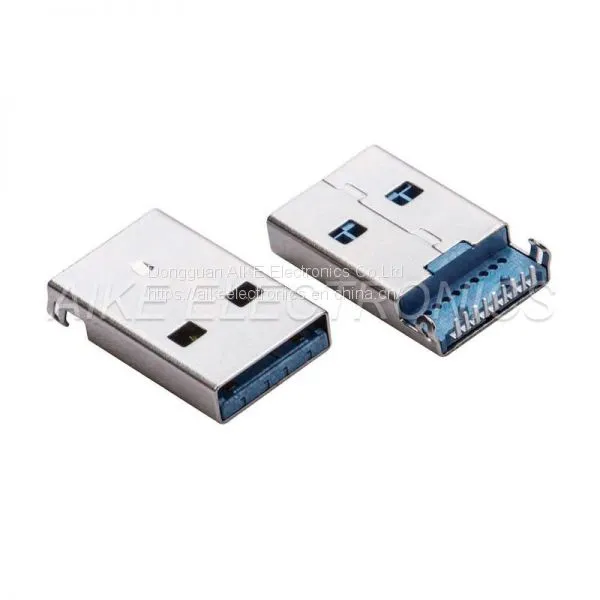
Standard USB 3.0 A Type Male Part,Mount PCB & DIP Type With Position PostsNegotiableMOQ: 100 Pieces
-
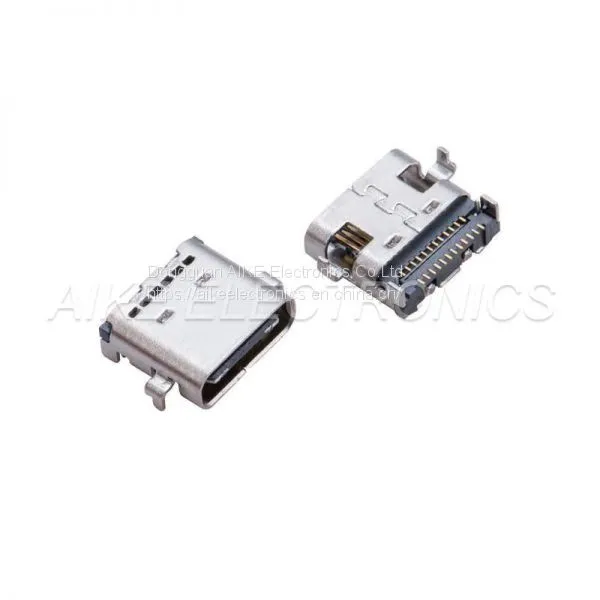
USB Type C 3.1,Receptable 24PIN, Double Rows SMT Contacts, Through Holes Legs, SINK PCB Board TypeNegotiableMOQ: 100 Pieces
-
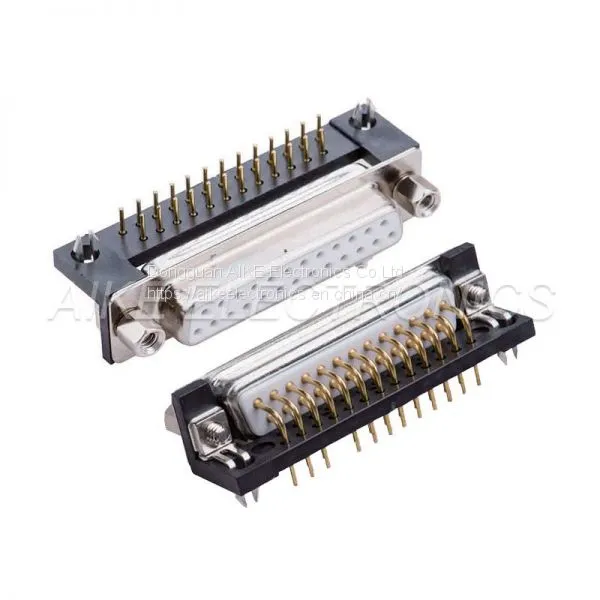
DR 25PIN,Male Parts,90 Degree, Lathe Contact,2 Rows,with Rivet & ScrewsNegotiableMOQ: 100 Pieces
-
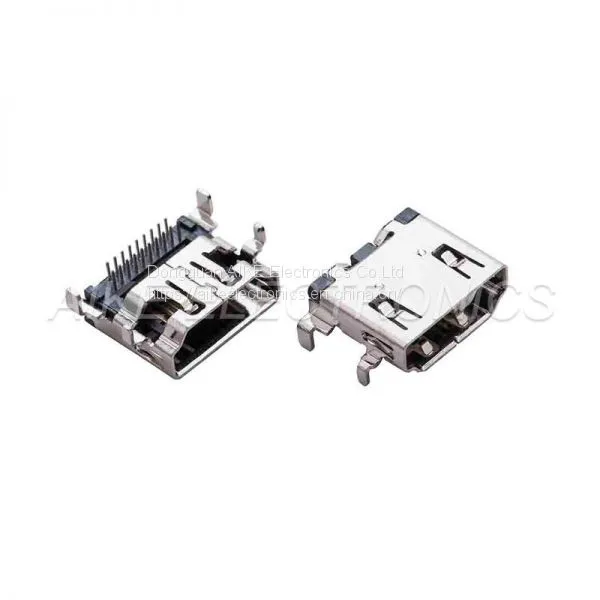
HDMI Connector 19PIN DIP Type With Through Hole Legs,sink PCB Board TypeNegotiableMOQ: 100 Pieces
-
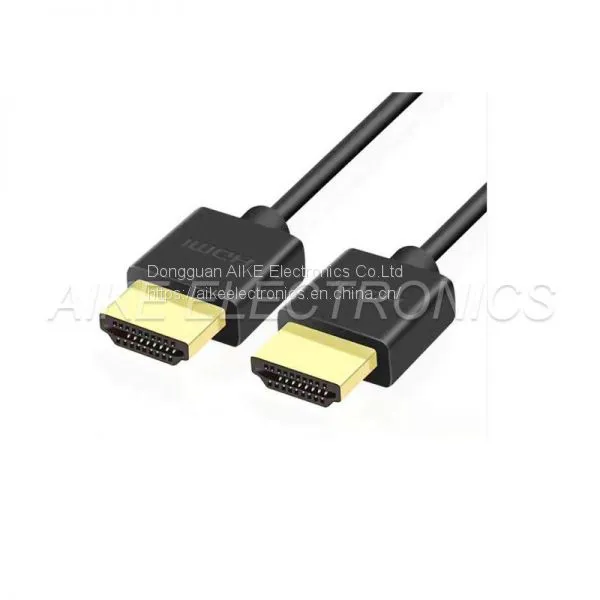
High Speed HDMI Male TO HDMI Male Cable,Support 4K*2KNegotiableMOQ: 100 Pieces
-
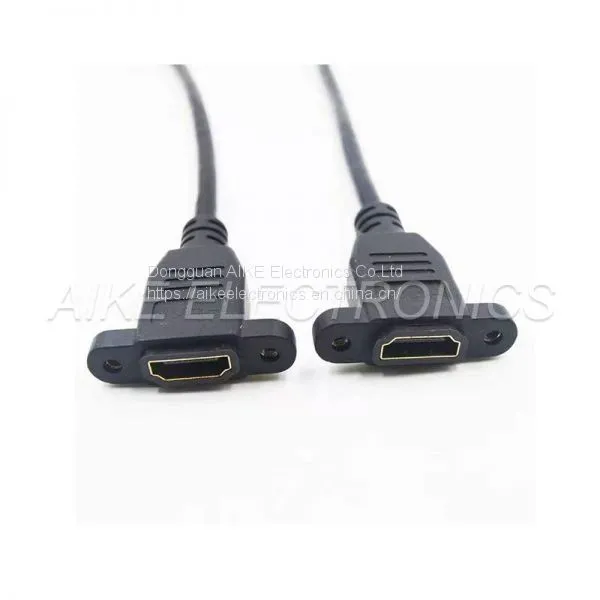
High Speed HDMI Female TO HDMI Female Cable,Support 4K*2K,with Screw HolesNegotiableMOQ: 100 Pieces
-
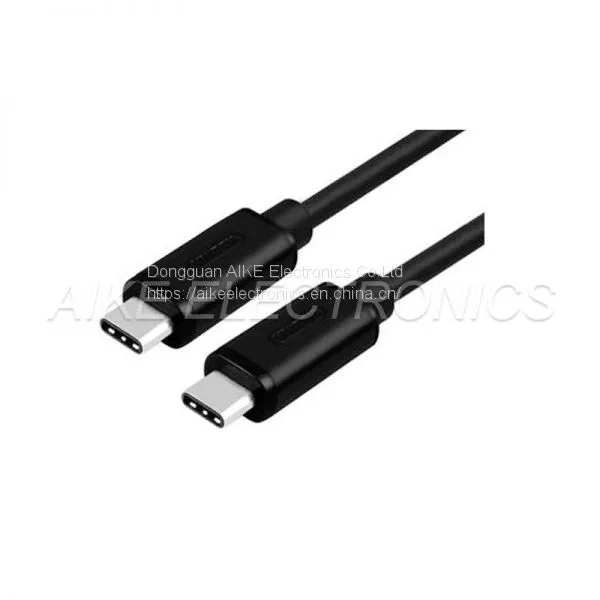
USB3.1 Type C (USB-C) Male to Male Data Sync Charging CableNegotiableMOQ: 100 Pieces
-
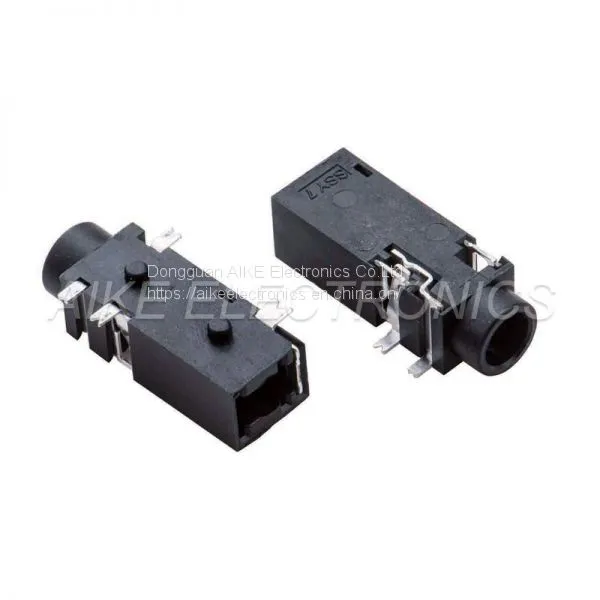
3.5mm Audio Jack( Phone Jack),Receptable, DIP Contacts, With 2 Position HostsNegotiableMOQ: 100 Pieces
-
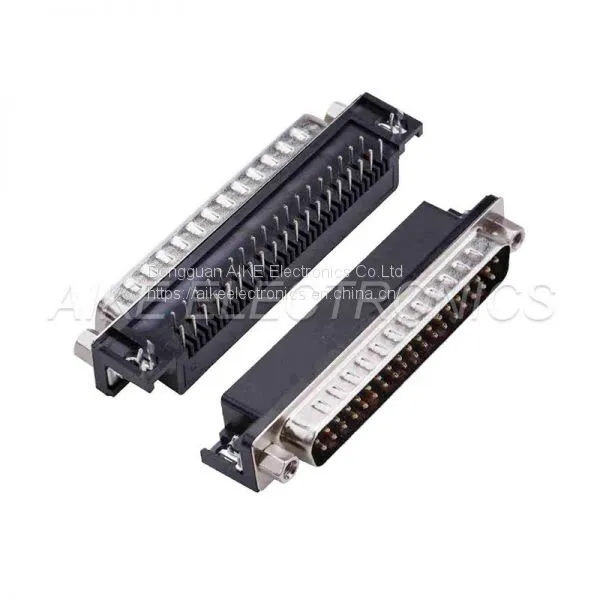
DR 37PIN,Male Parts,90 Degree, Stamp Contact,2 Rows,with Rivet & ScrewsNegotiableMOQ: 100 Pieces
-
3.5mm Audio Jack( Phone Jack),Receptable, SMT Contacts, With 2 Position HostsNegotiableMOQ: 100 Pieces
-
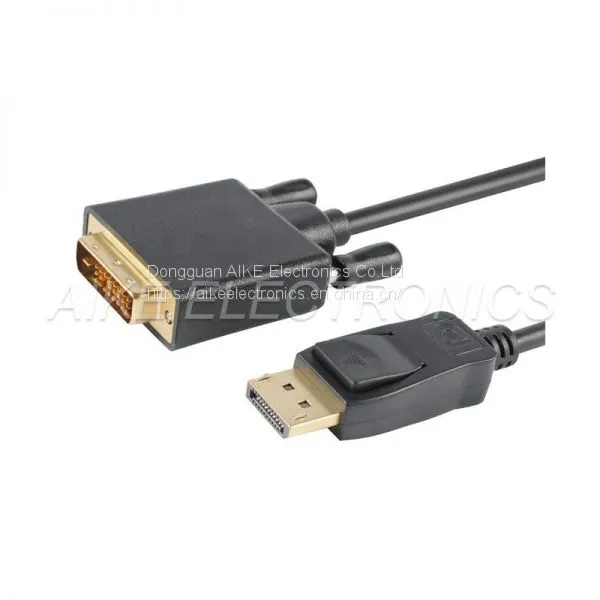
Displayport Male to DVI (24+1) Male Adaptor Cable,Support 1920x1080@60HZNegotiableMOQ: 100 Pieces
-
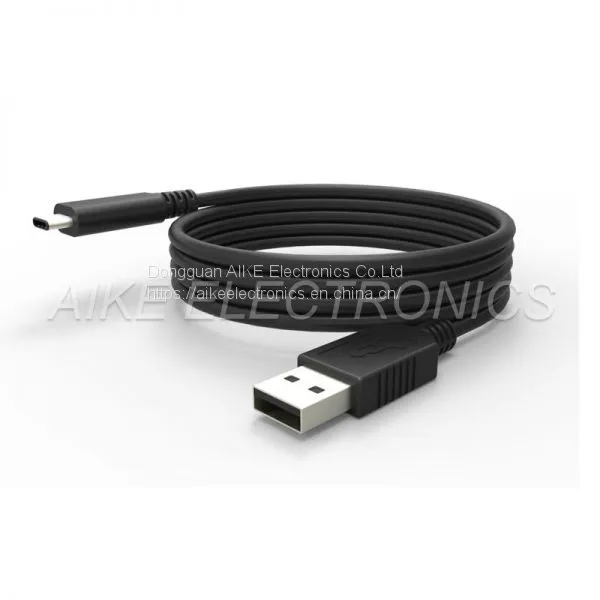
USB AM 2.0 to Type C (USB-C) Male Cable(Overmold-Black)NegotiableMOQ: 100 Pieces
-
High Speed USB 3.0 AF, Right Angled, 90 Degree,DIP Type With KINK Legs(Over PCB)NegotiableMOQ: 100 Pieces
-
Double-deck(2 In1) USB 2.0 A Type Female,Right Angle,Double-layer DIP TypeNegotiableMOQ: 100 Pieces
-
Standard USB 2.0 A Type Female,Right Angled,DIP TypeNegotiableMOQ: 100 Pieces
-
Connector RJ45 Female 8P8C,Tab Up, DIP TYPE With Shell & LED + Double-deck ConnectorNegotiableMOQ: 100 Pieces
-
Displayport Male to HDMI Male Adaptor Cable,Support 1920x1080@60HZNegotiableMOQ: 100 Pieces